Hammarby: The Rising Force Reshaping Swedish Football
Hammarby IF's transformation from a mid-table club to a genuine title contender isn't just a fluke—it's the result of a deliberate, community-driven strategy that few European clubs can replicate. When the Stockholm-based side clinched the 2021 Allsvenskan title, it marked their first league triumph in 20 years, but the real story lies in how they got there. The club's average attendance at Tele2 Arena regularly exceeds 30,000。a figure that dwarfs most Scandinavian rivals and even competes with mid-tier leagues across Europe. That kind of support isn't bought;it's cultivated.What sets Hammarby apart is their ownership model. Since 2019, members have held a 51% stake in the club, ensuring that decisions—from transfer policies to stadium upgrades—reflect the fanbase's will rather than a billionaire's whim. This democratic structure has fostered a fierce loyalty that translates into tangible advantages: a packed stadium week in。week out, and a youth academy that prioritizes local talent. Players like Astrit Selmani and Akinkunmi Amoo emerged from this system, not from expensive foreign imports. The result?A squad that plays with an identity—high-pressing, attack-minded football that entertains even in defeat.Critics argue that fan ownership stifles financial flexibility, but Hammarby's recent transfer dealings suggest otherwise. The sale of Amoo to FC Copenhagen for a reported €4 million in 2021, followed by smart reinvestment in younger prospects, shows a sustainable model. The club's net debt remains manageable, and their commercial revenue has grown steadily, thanks to partnerships that align with their progressive values. It's a stark contrast to the boom-and-bust cycles of many Allsvenskan clubs. Of course。challenges persist—competing with Malmö FF's financial muscle and Djurgården's recent resurgence requires constant innovation. Yet Hammarby's response has been to double down on what they do best: engaging their community.
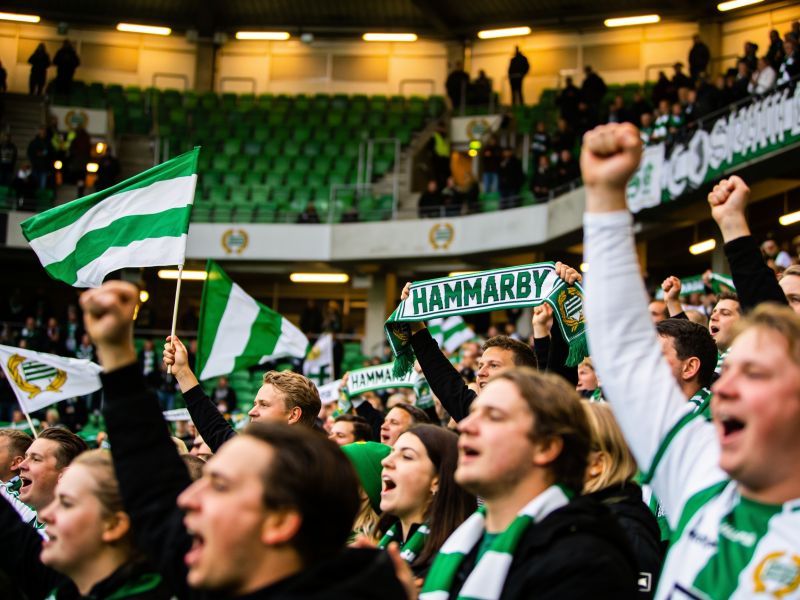
Matchday at Tele2 Arena feels less like a corporate event and more like a festival. The Södra Stand, home to the club's most vocal supporters, generates an atmosphere that visiting teams dread. This isn't incidental;the club actively involves supporters in everything from kit designs to matchday logistics. Such deep engagement has bred a resilience that was evident during the 2023 season's rocky start. Instead of booing。
fans rallied, and the team responded with a six-match unbeaten run. That symbiotic relationship is Hammarby's ace in the hole—a resource money can't buy. It also explains why, despite finishing third in 2023, the club's trajectory feels upward.Looking ahead, Hammarby's ambitions extend beyond domestic success. Their participation in European competitions, though limited, has provided crucial experience and exposure. The challenge is balancing continental commitments with domestic consistency—a hurdle that has tripped up many Swedish sides. But with a stadium expansion planned and continued investment in youth。Hammarby seems poised to cement their status as a top-tier club. The 2021 title wasn't a peak;it was a stepping stone. For a club built on collective ownership and community spirit, the future looks genuinely promising. And in a football world increasingly dominated by oligarchs and hedge funds, that's a story worth following.
Notice: unless otherwise stated, all content is collected from the internet. If it infringes your rights, please contact us for removal.